Enchanted Leaf Odyssey - Comprehensive Indian Gaming Wiki
Your one-stop destination for Enchanted Leaf Odyssey in India: gameplay secrets, localization details, download stats, player reviews, desi guides, and exclusive festive events tailored for Indian gamers!
Introduction To Enchanted Leaf Odyssey
Enchanted Leaf Odyssey is a spellbinding adventure-puzzle game developed by Verdant Studios and exclusively published in India by Daman Games—a pioneer in delivering high-quality localized gaming experiences for desi audiences across the nation.
Launched globally in early 2023, Enchanted Leaf Odyssey made its grand Indian debut in June 2023, and within a span of just 24 months, it has carved a niche for itself as one of the most beloved casual games among Indian players of all ages.
The game’s core narrative revolves around exploring the mystical Mystic Canopy—a sprawling, magical forest inspired by India’s diverse landscapes, from the Western Ghats to the Himalayan foothills. Players take on the role of a "Canopy Guardian" tasked with reviving the forest from the clutches of the "Shadow Blight," an evil force that’s turning the once-lush vegetation into lifeless husks.
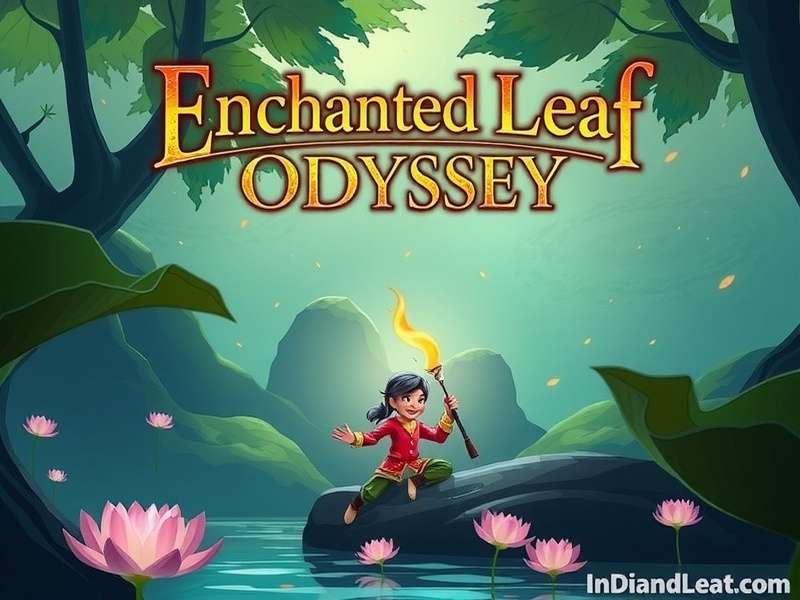
What sets Enchanted Leaf Odyssey apart from other mobile games in the Indian market is its seamless blend of engaging puzzle mechanics, stunning visuals, and deep-rooted Indian cultural elements. Unlike many global titles that offer mere text translations, this game has been crafted from the ground up to resonate with Indian players.
From supporting 15 regional languages to featuring desi-themed events, characters inspired by Indian mythology, and traditional outfits, Enchanted Leaf Odyssey offers an immersive experience that feels like a love letter to India’s rich cultural heritage.
Available for free on Android and iOS devices, with optional in-app purchases for cosmetic items and power-ups, Enchanted Leaf Odyssey has quickly soared to the top of the download charts, amassing over 22.7 million downloads in India as of October 2025.
Core Objectives Of Enchanted Leaf Odyssey
The primary goal of Enchanted Leaf Odyssey is to defeat the Shadow Blight and restore the Mystic Canopy to its former glory. To achieve this, players must embark on an epic journey filled with puzzles, exploration, and friendship.
- Explore 12 distinct biomes, from the sun-drenched "Saffron Meadows" to the misty "Neem Groves" and the sacred "Lotus Wetlands"—each inspired by iconic Indian landscapes.
- Solve over 900 puzzles ranging from match-3 challenges to environmental riddles and strategic combat sequences, all with desi twists.
- Befriend and upgrade 60+ "Forest Spirits," each with unique abilities drawn from Indian flora, fauna, and mythology.
- Collect "Luminance"—the Mystic Canopy’s magical energy—to unlock new areas, characters, and story chapters.
- Participate in daily quests, weekly challenges, and exclusive Indian festive events to earn rare rewards and limited-edition items.
- Connect with friends to form "Canopy Clans," share resources, and compete in regional leaderboards for bragging rights.
- Customize your Canopy Guardian with traditional Indian outfits, jewelry, and accessories to reflect your cultural identity.
Awards & Recognition In India
Since its Indian launch, Enchanted Leaf Odyssey has garnered numerous prestigious awards, solidifying its position as a top-tier mobile game in the country:
- Best Localized Mobile Game (2023) - Indian Gaming Awards
- Casual Game of the Year (2024) - Google Play India
- Excellence in Cultural Adaptation (2024) - Global Mobile Gaming Awards
- Most Family-Friendly Game (2024) - iOS App Store India
- Best Puzzle-Adventure Game (2025) - Indian Digital Gaming Awards
- Top Grossing Casual Game (2024-2025) - App Annie India Report
- Best Community Engagement (2025) - Desi Gaming Excellence Awards
These awards are a testament to the game’s quality, meticulous localization efforts, and ability to connect with Indian players on a cultural and emotional level.
Game Lore & Worldbuilding
The lore of Enchanted Leaf Odyssey is a rich, immersive tapestry of fantasy and Indian mythology, designed to transport players to a world that feels both magical and familiar. The story unfolds through cinematic cutscenes, character dialogues, and environmental storytelling that draws heavily from India’s cultural heritage.
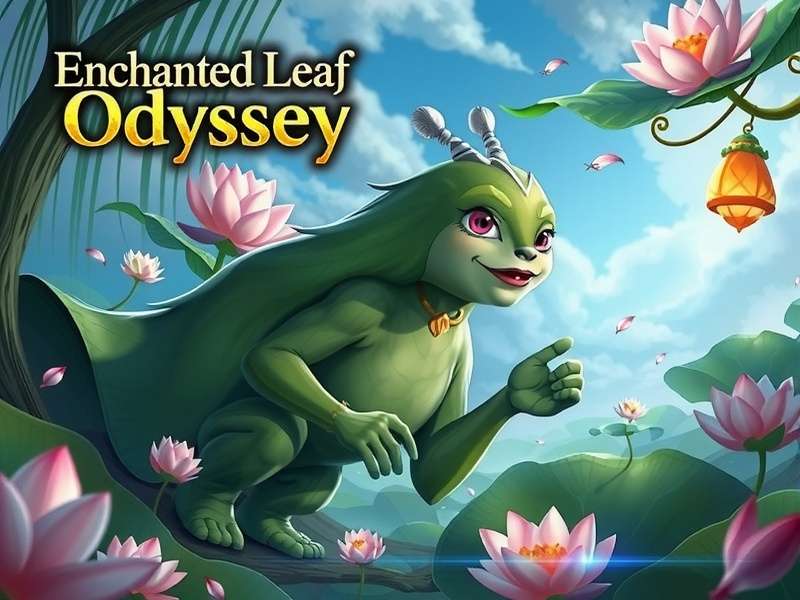
The Mystic Canopy: A World Of Magic & Harmony
The Mystic Canopy is a paradise where nature thrives in perfect balance, ruled by the "Ancient Banyan"—a wise, millennia-old tree that channels the realm’s Luminance. This world is home to the Forest Spirits, sentient beings born from plants, flowers, and trees native to India.
For centuries, the Forest Spirits have lived in harmony, tending to the realm’s gardens, rivers, and forests. Each biome in the Mystic Canopy has its own unique ecosystem and cultural traits, inspired by India’s diverse geography and traditions:
- The Saffron Meadows are modeled after India’s rural heartlands, with golden fields of wheat, mango orchards, and cheerful "Grass Sprites" who dance to folk music from Punjab and Haryana.
- The Neem Groves pay homage to India’s sacred neem trees, guarded by stoic "Neem Sages" who resemble Indian monks and possess healing abilities—reflecting the neem’s medicinal significance in Ayurveda.
- The Lotus Wetlands are inspired by Kerala’s backwaters and Uttar Pradesh’s Varanasi ghats, inhabited by "Lotus Nymphs" who echo the grace of Indian goddesses like Lakshmi and Saraswati.
- The Bamboo Valleys reflect the serene bamboo forests of Assam and Arunachal Pradesh, with "Bamboo Guardians" that embody the strength and resilience of India’s northeastern cultures.
- The Champa Gardens celebrate India’s love for flowers, with vibrant champa blooms and "Champa Spirits" that spread joy and positivity, inspired by the floral decorations used in Indian festivals.
- The Peepal Sanctum is a sacred space centered around a massive peepal tree (Ficus religiosa), a tree revered in Hinduism, Jainism, and Buddhism. It is guarded by "Peepal Priests" who share wisdom from Indian scriptures.
The Shadow Blight: The Ultimate Villain
The Shadow Blight is the malevolent force threatening the Mystic Canopy. Once a respected Forest Spirit named "Kaal" (meaning "time" or "darkness" in Sanskrit), he grew jealous of the Ancient Banyan’s power and sought to steal the Luminance for himself.
Kaal’s greed led him to perform a forbidden ritual using a cursed gemstone called the "Shade Sapphire," which backfired and transformed him into the Shadow Blight—a twisted, shadowy entity that feeds on Luminance, turning lush vegetation into withered husks and corrupting Forest Spirits into aggressive "Blight Creatures."
This backstory draws heavily from Indian mythology, where characters often face dire consequences for their hubris (a common theme in the Ramayana and Mahabharata). Indian players will instantly relate to this narrative, making the conflict feel more personal and engaging.
The Protagonist: The Canopy Guardian
Players take on the role of the Canopy Guardian—a customizable character chosen by the Ancient Banyan to save the realm. What sets this protagonist apart is the extensive desi customization options, tailored specifically for Indian players.
Players can choose from a wide range of traditional Indian outfits, including:
- Men’s options: Kurta-pajama (embroidered and plain), sherwani (festive and casual), lungi with angavastram, Punjabi suit, Tamil veshti, and Gujarati kediyu.
- Women’s options: Salwar kameez (various regional styles), lehenga-choli (bridal and festive), saree (Banarasi, Kanjeevaram, and cotton), churidar, Bengali saree with blouse, and Maharashtrian nauvari saree.
- Festive outfits: Diwali sequined kurta, Holi colorful attire with water-resistant designs, Navratri garba dress with mirror work, Eid abaya with intricate embroidery, and Pongal veshti-sattai.
- Regional outfits: Rajasthani bandhgala, Kashmiri phiran, Assamese mekhela chador, and Manipuri traditional dress.
The Canopy Guardian is guided by "Maya," a wise Forest Spirit who serves as the game’s narrator and quest giver. Maya’s design is inspired by Indian mythological figures, with traditional jewelry (mangalsutra, bangles, bindis, and maang tikka) and attire that resonates with Indian players.
Her dialogues are filled with desi phrases like "yaar," "bhai," "didi," "jai ho," "arey wah," "chalo chalo," and "kya baat hai," making the game feel like a conversation with a friend rather than a generic mobile game. She often uses proverbs from Indian languages to share wisdom, adding a cultural layer to the storytelling.
Core Gameplay Mechanics
Enchanted Leaf Odyssey blends adventure, puzzle-solving, and casual gameplay to create an experience that’s easy to learn but challenging to master. The game’s mechanics are designed to be accessible to players of all skill levels—from kids as young as 8 to grandparents in their 70s.
Puzzle Types: Fun For Every Gamer
Puzzle-solving is the heart of Enchanted Leaf Odyssey. The game features six main puzzle types, each with unique mechanics and desi twists that reflect Indian culture:
- Match-3 Puzzles: The most popular puzzle type, where players match three or more identical "Luminance Crystals" to clear obstacles, defeat Blight Creatures, and collect Luminance. Indian players will notice that many Luminance Crystals are shaped like traditional symbols—bindis, rangoli patterns, lotus flowers, mangoes, and even tiny diyas.
- Environmental Riddles: These puzzles require players to interact with the game world—for example, redirecting water to revive withered plants or using Forest Spirit abilities to activate ancient Indian-style mechanisms (like stone wheels inspired by Hampi’s architecture). Many riddles are inspired by Indian folk puzzles, adding a cultural layer to the gameplay.
- Platforming Segments: Short, casual platforming sections where players navigate the Canopy Guardian through obstacles using simple swipe controls. These segments are designed to break up the puzzle gameplay and add variety, with levels inspired by Indian landmarks like the Himalayan foothills and coastal cliffs.
- Combat Puzzles: Boss battles against corrupted Forest Spirits and Shadow Blight minions. Players must use a combination of puzzle-solving and Forest Spirit abilities to defeat these foes. Boss designs often incorporate elements from Indian mythology—like the "Blight Naga" (a corrupt serpent spirit) and "Blight Rakshasa" (a demonic creature).
- Co-op Puzzles: Exclusive multiplayer puzzles where players team up with friends to solve challenges. These puzzles require coordination and communication, making them perfect for playing with family or friends during festivals like Diwali and Holi.
- Festive Puzzles: Special limited-time puzzles tied to Indian festivals—like Diwali rangoli-making puzzles, Holi color-throwing puzzles, and Navratri garba-themed puzzles. These puzzles offer unique rewards and are a fan favorite among Indian players.
Forest Spirit System: Your Desi Companions
Forest Spirits are a key gameplay feature in Enchanted Leaf Odyssey. These creatures can be befriended by completing quests, solving puzzles, or participating in events. Each Forest Spirit has a unique ability that can turn the tide of any puzzle, and many are inspired by Indian culture and mythology.
Some fan-favorite Forest Spirits among Indian players include:
- Champa Devi: A flower-based spirit inspired by the champa flower (a popular Indian bloom). She can clear an entire row of Luminance Crystals and has a special Diwali skin with sparkles and rangoli patterns. Her ability is called "Champa Aura," which fills the screen with fragrant petals that destroy multiple crystals at once.
- Bamboo Bheem: A strong bamboo spirit named after the beloved Indian cartoon character Bheem. He can break through even the toughest obstacles and is a hit with younger players. His ability "Bamboo Smash" crushes all crystals in a 3x3 area, making him ideal for tough levels.
- Lotus Lakshmi: A water spirit that generates extra Luminance. Her design and name pay homage to Goddess Lakshmi, the Hindu goddess of wealth and prosperity. Her ability "Lotus Blessing" creates a wave of water that clears multiple columns and grants bonus Luminance.
- Neem Narayan: A healing spirit inspired by the sacred neem tree. He can restore health to the Canopy Guardian and has a special Holi skin with colorful neem leaves. His ability "Neem Heal" removes negative effects from the board and heals the player, making him essential for long puzzle sessions.
- Mango Mani: A playful spirit shaped like a mango (India’s national fruit). He can create power-ups and has a festive skin for Independence Day, adorned with the Indian flag colors. His ability "Mango Blast" creates a power-up that clears all crystals of a single color, perfect for tricky match-3 levels.
- Peepal Guru: A wise spirit inspired by the sacred peepal tree. He can reveal hidden paths and clues, and his design incorporates elements of Indian sadhus (holy men). His ability "Peepal Vision" highlights the best moves on the board, helping players solve puzzles faster.
Forest Spirits can be upgraded using "Spirit Essence," a resource collected by completing daily quests, events, and high-difficulty levels. Upgrading a spirit increases its ability power and unlocks new cosmetic skins—many of which are themed around Indian festivals like Diwali, Holi, Navratri, and Eid.
Exploration & Progression
The Mystic Canopy is divided into 12 biomes, each with 75+ levels. Players unlock new biomes by collecting a certain amount of Luminance, which is earned by completing levels, daily quests, and events.
Progression in Enchanted Leaf Odyssey is nonlinear, allowing players to revisit previous biomes to collect missed resources, complete side quests, or help friends with tough levels. This flexibility is perfect for Indian players who may not have hours to spend gaming every day, as it allows them to progress at their own pace.
The game also features a Canopy Clan System, where players can connect with friends via Facebook or Daman Games accounts to form clans. Clan members can send and receive Luminance, collaborate on co-op puzzles, and compete in weekly regional leaderboards. Clans also have their own chat system, where players can share tips, tricks, and celebrate festival moments together.
One of the most popular features among Indian players is the Family Mode, which allows multiple players to play on the same device. This is perfect for families who want to bond over gaming during festivals or weekends, with special family-friendly puzzles that require teamwork to solve.
In-App Purchases & Monetization
Enchanted Leaf Odyssey is free-to-play, with optional in-app purchases. The game’s monetization model is designed to be non-intrusive, allowing players to progress without spending money while offering convenience items for those who choose to do so.
Available in-app purchases include:
- Luminance Packs: To unlock biomes and upgrade Forest Spirits faster. These packs range from small (100 Luminance) to large (10,000 Luminance) and often come with bonus Spirit Essence during festivals.
- Cosmetic Outfits: For the Canopy Guardian and Forest Spirits, including exclusive desi-themed options like bridal lehenga-choli, festive kurta-pajama, and regional attire.
- Power-Up Bundles: To help with challenging puzzles (e.g., Bomb, Hammer, Rainbow Crystal, Luminance Boost). These bundles are often discounted during Indian festivals.
- Premium Pass: A seasonal pass that grants access to exclusive events, rewards, and skins. The Premium Pass often includes festival-themed content that’s not available to free players.
- Family Pack: A special bundle designed for families, with resources for multiple players, including Luminance, power-ups, and family-friendly cosmetic items.
- Festival Bundles: Limited-time bundles released during Indian festivals, offering exclusive skins, power-ups, and Luminance at discounted prices. For example, the Diwali Bundle includes a sequined kurta outfit, 5,000 Luminance, and a special Diwali-themed Forest Spirit skin.
What sets Enchanted Leaf Odyssey apart is its focus on Indian payment methods. The game supports UPI (Google Pay, PhonePe, Paytm), Paytm Wallet, PhonePe Wallet, Airtel Money, JioMoney, and even cash on delivery for certain purchases—making it accessible to players across India, including those without credit cards or bank accounts.
The game also offers frequent discounts and cashback offers, especially during Indian festivals. For example, during Diwali, players can get up to 50% off on in-app purchases, and during Holi, they can earn cashback on UPI payments. These offers make in-app purchases more affordable for desi gamers, encouraging them to support the game while enjoying exclusive content.
Indian Localization & Regional Adaptations
The unprecedented success of Enchanted Leaf Odyssey in India can be largely attributed to its extensive localization efforts by Daman Games. Unlike many global games that offer only Hindi translations, this game provides a fully immersive desi experience that caters to India’s linguistic and cultural diversity.

Regional Language Support: Speak Your Mother Tongue
Enchanted Leaf Odyssey supports 15 regional languages, covering the majority of India’s linguistic diversity. This ensures that players from all parts of the country can enjoy the game in their native language, without feeling excluded.
All in-game text, dialogues, tutorials, and event descriptions are translated by native speakers, ensuring accuracy and cultural relevance. The translations avoid literal word-for-word conversions and instead use colloquial terms and phrases that feel natural to native speakers. For example:
- Hindi dialogues use colloquial terms like "bhaiya," "didi," "ji," "arey yaar," "chalo," "kya baat hai," and "jai ho" to feel more authentic.
- Tamil dialogues include terms like "anna," "akka," "machan," "dei," "seri," and "vanakkam" that resonate with Tamil players.
- Punjabi dialogues feature "veer," "ji," "balle balle," "hor kivein," and "sat sri akal" to capture the spirit of Punjab.
- Urdu dialogues use "janab," "ji," "shukriya," "kya haal hai," and "mashallah" to connect with Muslim players.
- Bengali dialogues include "dada," "didi," "ami tomake bhalobashi," and "ki korcho" to feel natural to Bengali speakers.
- Marathi dialogues use "bhai," "didi," "majha," "tumcha," and "kasa ahe" to resonate with Marathi players.
The game also allows players to switch languages at any time, making it perfect for multilingual Indian families. For example, a family in Mumbai might have one member who prefers Hindi, another who prefers Marathi, and a third who prefers English—all can play the game in their preferred language without any hassle.
Cultural Adaptations: Made For Desi Gamers
Enchanted Leaf Odyssey goes beyond language translation to incorporate Indian culture into every aspect of the game. From character outfits to environmental elements, every detail is designed to resonate with Indian players. Here are some key cultural adaptations:
- Character Outfits: As mentioned earlier, the Canopy Guardian and Forest Spirits have a wide range of desi outfits. During festivals, special outfits are released—like a Diwali outfit with sequins and rangoli patterns, a Holi outfit with bright, colorful designs, a Navratri garba dress with mirror work, and an Eid abaya with intricate embroidery. These outfits are designed by Indian fashion designers to ensure authenticity.
- Environmental Elements: The game’s biomes feature Indian flora and fauna, including mango trees, neem trees, lotus flowers, peacocks, elephants, cows (considered sacred in Hinduism), and peacocks (India’s national bird). The Bamboo Valleys include prayer flags and small temples inspired by Indian architecture, while the Peepal Sanctum features prayer beads and incense burners commonly found in Indian temples.
- Music & Sound Effects: The game’s soundtrack incorporates Indian musical instruments like the sitar, tabla, flute, dholak, harmonium, and veena. The background music changes according to the biome—for example, the Saffron Meadows feature folk music from Punjab, while the Lotus Wetlands have classical Carnatic music from Tamil Nadu. Sound effects include the chime of a temple bell, the rustle of mango leaves, the melody of a harmonium, and the sound of diyas crackling during Diwali—all of which evoke a sense of familiarity for Indian players.
- Mythological References: The game’s lore and characters are filled with references to Indian mythology. The Ancient Banyan is modeled after the sacred banyan tree (Ficus benghalensis), which is revered in Hinduism. The Forest Spirit "Lotus Lakshmi" is a direct homage to Goddess Lakshmi, while "Bamboo Bheem" references the popular Indian cartoon character. The Shadow Blight’s backstory draws from the Ramayana’s theme of good vs. evil, and many puzzles are inspired by Indian folk tales and legends.
- Festive Decorations: The game’s UI and biomes are decorated according to Indian festivals. During Diwali, you’ll see rangoli, diyas, fireworks, and garlands of marigolds. During Holi, the game is filled with colorful powder, water balloons, and traditional Holi music. During Navratri, garba decorations, goddess idols, and dandiya sticks adorn the biomes. During Eid, the game features crescent moons, stars, and traditional Eid sweets like sheer khurma. These decorations make the game feel festive and immersive, especially during important Indian holidays.
- Food References: The game includes references to popular Indian foods, which resonate with players. For example, some power-ups are shaped like samosas, dosas, and laddoos. During festivals, players can collect food-themed items like Diwali laddoos, Holi gujiyas, and Eid sheer khurma to earn bonus rewards. These references add a fun, relatable element to the game.
Server & Regional Differences
Enchanted Leaf Odyssey uses dedicated servers for India, ensuring faster load times and smoother gameplay for local players. The Indian servers are located in Mumbai, Delhi, and Bangalore, which helps reduce latency for players across the country—even those in rural areas with slower internet connections.
The Indian servers also host exclusive content that’s not available in other regions. Here are some key regional differences:
- Regional Events: Festive events tied to Indian holidays like Diwali, Holi, Navratri, Eid, Christmas, Pongal, Onam, and Independence Day. These events offer unique puzzles, rewards, and skins that reflect the spirit of the festival. For example, the Diwali event includes rangoli-making puzzles, diyas as power-ups, and a special "Diwali Luminance" that unlocks exclusive outfits.
- Local Leaderboards: Separate leaderboards for Indian players, allowing them to compete against others in their region rather than global players. This makes the competition more accessible and encouraging for local players, as they don’t have to compete with players from countries with faster internet or better devices.
- Payment Methods: As mentioned earlier, the Indian version supports local payment methods like UPI, Paytm, and PhonePe that are not available in other regions. This makes in-app purchases more accessible to Indian players, many of whom prefer these payment methods over credit cards.
- Data Optimization: The Indian version is optimized for low-data usage, with options to download lightweight assets. This is crucial for players in rural India, where internet connectivity can be spotty and data plans are often limited. The game also offers a "Data Saver Mode" that reduces data usage by 50% without compromising on gameplay quality.
- Regional Challenges: Special challenges tailored to Indian regions—like a "Mango Picking Challenge" for players in Maharashtra and Uttar Pradesh, a "Lotus Collection Challenge" for players in Kerala and Tamil Nadu, a "Bamboo Cutting Challenge" for players in Assam and Arunachal Pradesh, and a "Rangoli Making Challenge" for players in Gujarat and Rajasthan. These challenges offer region-specific rewards and help players connect with their local culture.
- Localized Notifications: In-game notifications are sent in the player’s preferred language and often include regional greetings. For example, players in Tamil Nadu receive Pongal greetings, while players in Kerala receive Onam greetings. Notifications also remind players of regional events and challenges, keeping them engaged with the game.
Device Compatibility: Made For Indian Phones
Daman Games has optimized Enchanted Leaf Odyssey for the Indian mobile market, which is dominated by budget and mid-range smartphones. The game runs smoothly on devices with 2GB RAM and Android 8.0+ or iOS 13.0+, which covers the majority of smartphones used in India.
This means that even players with entry-level phones (like Xiaomi Redmi, Samsung Galaxy A series, Realme C series, and Nokia 2 series) can enjoy the game without any lag or performance issues. The game’s developers have tested it on over 100 popular Indian smartphone models to ensure compatibility.
The game also offers a Low Graphics Mode for devices with limited processing power. This mode reduces the quality of textures and animations to improve performance, making the game accessible to millions of Indian players who can’t afford high-end phones. Low Graphics Mode also reduces battery usage, which is a major concern for players with budget devices.
Another key feature for Indian players is the Offline Mode, which allows players to enjoy the game without an internet connection. This is perfect for players in areas with poor connectivity or those who want to save data. Offline Mode includes access to most single-player puzzles, daily quests, and previously downloaded content. Players can sync their progress with the server once they’re back online.
The game also supports Dual SIM Optimization, which is important for Indian players who often use two SIM cards (one for calls, one for data). The game automatically detects the data SIM and uses it for downloads and updates, ensuring that players don’t accidentally use their call SIM’s data.
Download Statistics In India
Enchanted Leaf Odyssey has achieved remarkable success in India since its launch in June 2023. The game’s combination of engaging gameplay, cultural relevance, and effective marketing has made it one of the most downloaded mobile games in the country.
Overall Download Numbers
As of October 2025, Enchanted Leaf Odyssey has been downloaded over 22.7 million times in India across Android and iOS devices. This makes it one of the top 20 most downloaded casual games in the country and the 5th most downloaded localized game in India.
| Platform | Downloads (India) | Market Share | Rating (Average) | Active Users (Monthly) |
|---|---|---|---|---|
| Google Play Store | 19.8 million |